

Web Application Development Services Introduction
Build Powerful Web Applications Around Your Business Needs

Web Applications for Real Workflows
Web applications help businesses deliver services, manage information and connect with customers through a browser-based experience. From internal business tools and customer portals to booking platforms and data-driven dashboards, the right web application can make important workflows more organized and accessible.
Of2On helps businesses plan and develop web applications based on their goals, users and functional requirements. We begin by understanding the problem the application needs to solve, the people who will use it and the systems or processes it may need to connect with.
Our web application development work can include requirement analysis, UI/UX design, frontend development, backend development, database design, API integration, testing and deployment coordination, depending on the agreed project scope.
We focus on creating interfaces that are practical to use, application structures that can be maintained and features that support real business workflows. Responsive behavior, security considerations, performance and quality checks are considered as part of the development process.
Whether you need a new customer-facing platform, an internal management application or an upgrade to an existing web system, Of2On can discuss your requirements and help plan a suitable development approach.
Custom Web Application Development Services
Turn Complex Business Workflows into Easy-to-Use Web Experiences
A Connected Browser Experience
Every organization has different ways of managing customers, employees, information and daily operations. A web application can bring these activities into one accessible platform, helping users complete tasks and access relevant information through a browser.
Of2On works with clients to understand the purpose of the application, define its features and plan the user experience and technical structure. We consider the application’s users, permissions, data requirements, integrations and expected usage before implementation begins.
Depending on the project, development may include customer portals, admin panels, business management systems, booking and reservation applications, e-commerce platforms, reporting dashboards, workflow tools and other custom web solutions.
Our approach brings together interface design, frontend and backend development, database planning, API integration and testing. We use technologies that are suitable for the project and within the team’s verified capabilities.
Clear requirements, regular progress reviews and practical testing help keep the development process organized. The goal is to deliver a web application that supports the intended workflows and can be maintained as business requirements evolve.
Types of Web Applications We Develop
Web-based solutions for different business and user requirements.

Business Management

Customer Portals
E-commerce Apps

Booking Systems
Admin Dashboards

Workflow Apps
Web Application Development Solutions
Explore the core services behind a successful web application.








Web Application Architecture and Core Components
Present information clearly, support user actions and respond appropriately across supported screen sizes.
Process application requests, apply business rules, manage permissions and coordinate the data needed for the user experience.
Plan data structures and queries around application features, relationships and expected usage.
Plan information exchange, authentication and error handling for application components and approved external systems.
Match identity checks and user permissions to the application’s roles and business requirements.
Agree the deployment environment, configuration and release responsibilities for each project.
Consider frontend assets, application logic, database queries and caching based on measured needs.
Consider input validation, secure authentication, access control, data handling and dependency maintenance.
Verify application behavior against requirements and review errors after release where monitoring is in scope.
Web Application Development Services We Provide
From frontend experiences to backend systems.
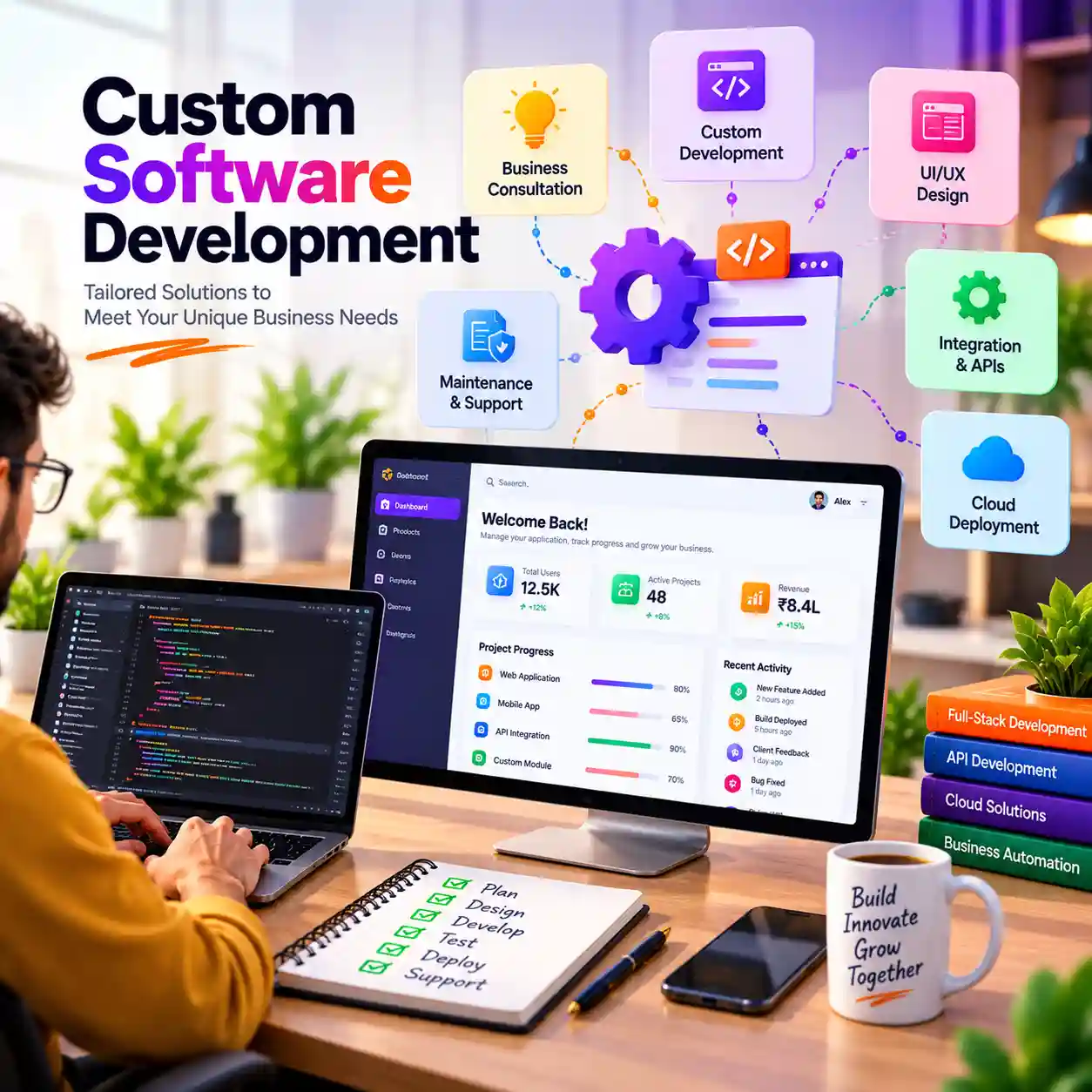
Custom Web Application Development
Build around workflows and user needs.

Frontend Development
Create clear, responsive interfaces.
Backend Development
Implement logic, rules and permissions.
UI/UX Design
Plan practical user journeys.
Database Design
Organize application data and queries.
API Development and Integration
Connect systems with approved methods.
Web Application Testing
Review key workflows and behavior.
Web Application Maintenance
Plan agreed fixes and improvements.
Why Choose Of2On for Web Application Development
Clear Requirements
We begin by understanding the application’s purpose, the users it serves and the workflows it needs to support.
✓
User-Focused Design
We consider navigation, content structure and responsive behavior so users can work with the application more easily.
Strategy First
Suitable Structure
We plan frontend, backend, database and integration components around agreed features and technical requirements.
</>
Security Planning
We consider authentication, permissions, validation and data handling within the application design and development scope.
🖍️
Aa
🖼️
Integration Planning
We review the systems the application needs to connect with and plan supported integration methods.
HTML
CSS
JS
✓
Quality-Focused Work
We review important workflows and test application behavior against agreed requirements before release.
✓
Maintainable Design
We consider how the application can be maintained and enhanced as business needs and technical requirements change.
Strategy First
Web Application Development Highlights
Key capabilities across the application lifecycle.
Build
Innovate
Grow
Innovate
Grow
App Architecture
UI/UX Design
Security Review
Our Web Application Development Process
A structured journey from requirements to deployment.
Requirement Planning
Understand the business objective, intended users, current workflows and expected application behavior. Gather requirements, review roles and existing systems, and agree on scope, priorities and acceptance criteria.
Requirement Planning
Understand the business objective, intended users, current workflows and expected application behavior. Gather requirements, review roles and existing systems, and agree on scope, priorities and acceptance criteria.
Learn more
App Architecture
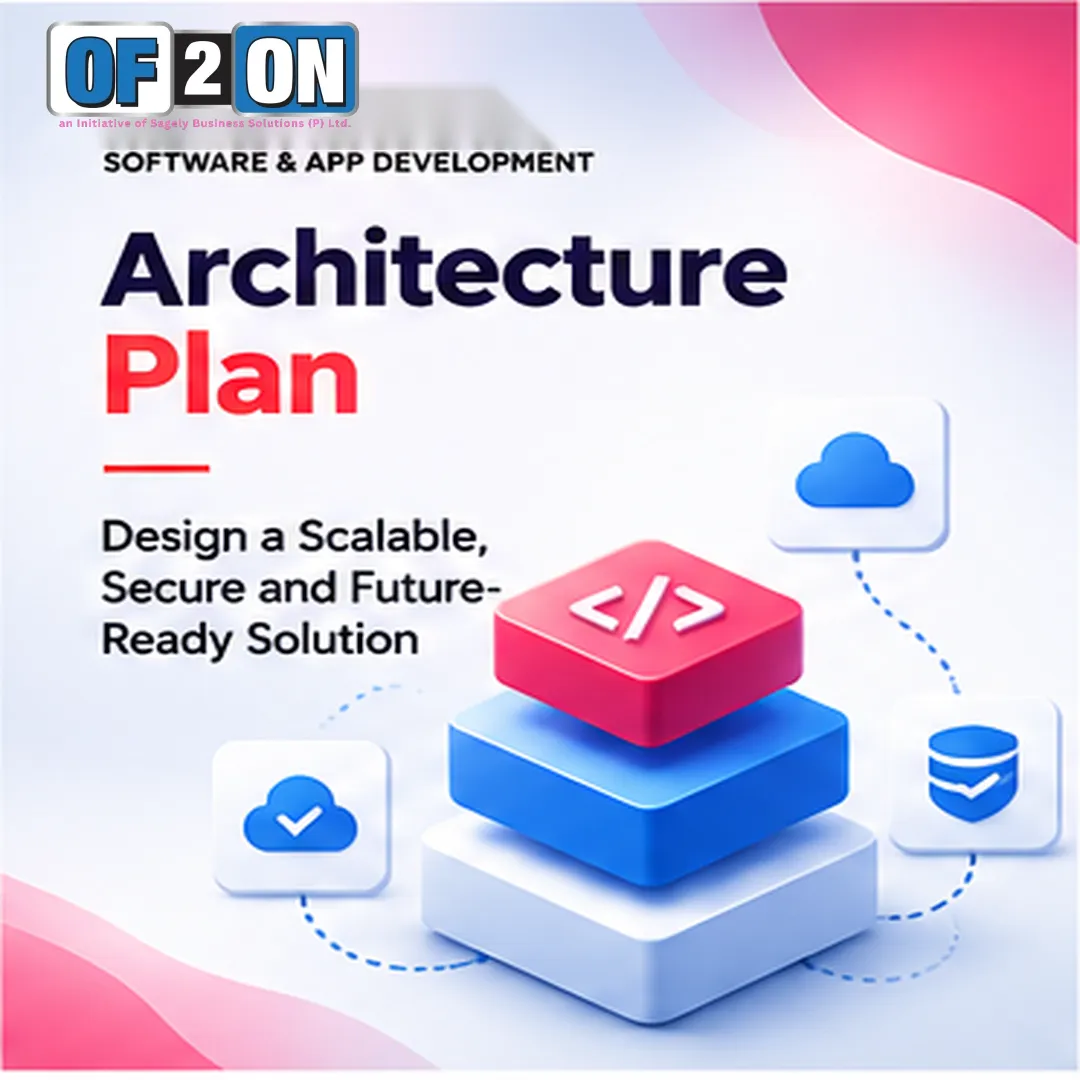
Plan how the frontend, backend, database and supporting services work together. Consider data flows, APIs, access, hosting needs and the project’s technical requirements.
App Architecture
Plan how the frontend, backend, database and supporting services work together. Consider data flows, APIs, access, hosting needs and the project’s technical requirements.
Learn more
UI/UX Design
Organize interface and user journeys so the application is clear and practical. Activities may include wireframes, responsive layouts, prototypes, design reviews and refinements.
UI/UX Design
Organize interface and user journeys so the application is clear and practical. Activities may include wireframes, responsive layouts, prototypes, design reviews and refinements.
Learn more
Application Build
Implement approved features using selected technologies and agreed practices. Work may include frontend interfaces, backend logic, database implementation, APIs and supported integrations.
Application Build
Implement approved features using selected technologies and agreed practices. Work may include frontend interfaces, backend logic, database implementation, APIs and supported integrations.
Learn more
Testing and QA
Verify application behavior and review forms, permissions, responsive interfaces, APIs, integrations, errors and edge cases against the agreed requirements.
Testing and QA
Verify application behavior and review forms, permissions, responsive interfaces, APIs, integrations, errors and edge cases against the agreed requirements.
Learn more
Deployment Plan
Coordinate release activities according to agreed hosting, access and deployment arrangements. Confirm responsibilities, documentation and post-deployment checks within scope.
Deployment Plan
Coordinate release activities according to agreed hosting, access and deployment arrangements. Confirm responsibilities, documentation and post-deployment checks within scope.
Learn more
Maintenance Updates
Plan agreed fixes, compatibility updates, performance reviews and future enhancements as business requirements and technical environments change.
Maintenance Updates
Plan agreed fixes, compatibility updates, performance reviews and future enhancements as business requirements and technical environments change.
Learn more
Web Application Development Overview
Create Secure, Responsive and Maintainable Browser-Based Applications
A web application is software that users access through a web browser to complete tasks, manage information or interact with a service. Unlike a simple informational website, a web application usually includes interactive features, user accounts, data processing and business logic.
Businesses use web applications for many purposes, including customer portals, admin dashboards, e-commerce platforms, booking systems, workflow management, reporting, education services and internal business operations. The right application depends on the problem being solved, the users involved and the information the system needs to manage.
Web application development begins with requirement analysis. The project team should understand business objectives, user roles, expected workflows, functional features and non-functional requirements. These may include performance expectations, accessibility, supported browsers, security, privacy and maintainability.
Application architecture defines how the main components work together. A typical web application may include a frontend interface, backend services, a database and APIs. The frontend presents information and captures user actions. The backend processes requests and applies business rules. The database stores application information, while APIs support communication between internal components or approved external services.
Frontend development focuses on the user-facing experience. Layout, navigation, forms, validation feedback and responsive behavior should be considered so users can interact with the application across supported devices and screen sizes.
Backend development handles server-side logic, authentication, authorization, data processing and application workflows. Backend design should consider reliability, appropriate error handling and the needs of the frontend and connected services.
Database design is important for organizing application information. Tables, relationships, indexes and queries should reflect the application’s data requirements and expected usage. Data validation and access rules help maintain data quality and protect information.
APIs allow applications to exchange data with other systems. Integrations should be planned around available documentation, authentication requirements, data formats, rate limits and error handling. Third-party integrations should only be promised when the required service and access are available.
Security should be considered throughout the development lifecycle. Relevant measures may include secure authentication, role-based authorization, input validation, output encoding, safe session handling, dependency updates, secure configuration and appropriate data protection. Exact controls depend on the application’s risk profile and requirements.
Performance depends on multiple parts of the application, including frontend assets, server-side processing, database queries, network requests and hosting infrastructure. Optimization should be based on measurement and actual usage patterns rather than assumptions.
Testing helps confirm that the application works according to agreed requirements. It may include functional testing, responsive layout checks, form validation, permission testing, API testing, integration testing and error handling. Acceptance criteria should be clear so stakeholders can review completed features.
Deployment requires coordination of environments, configuration, access, hosting, release approvals and post-deployment checks. Maintenance may include agreed bug fixes, compatibility updates, dependency maintenance, performance improvements and future feature development.
Of2On approaches web application development through requirement understanding, suitable architecture, user-focused interface design, collaborative implementation and quality review. Services can include frontend and backend development, database design, APIs, testing, deployment coordination and maintenance according to the agreed project scope.
A successful web application is not defined only by its technology. It should solve a clear problem, support its users, handle information responsibly and remain practical to maintain as business requirements evolve.
Web Application Development Project Checklist
Important areas to confirm before development begins.
Business Purpose
User Roles
Functional Needs
Browsers and Devices
UI/UX and Responsive
Frontend and Backend
Database Management
API Integration
Auth and Access
Security and Privacy
Performance Needs
Hosting Plan
Testing Criteria
Error Handling
Documentation
Maintenance Scope
Bring Your Business Workflows Online
Discuss your application requirements and explore a suitable web solution.


Plan, Build and Improve Your Web Application
Discuss a new browser-based application or improvements to an existing one.